
Living in the picturesque mountains of Colorado is a dream for many. However, building your dream home here comes with its own unique challenges. This region experiences harsh winters and heavy snowfall. On the other hand, you need to pay attention to the rugged terrain and high-altitude conditions.
These elements require careful consideration. This is the only way to build a home that ensures energy efficiency, structural integrity, and comfort year-round.
This article explores key obstacles to mountain home design in Colorado. With this information, you should be able to create a home that thrives in the Rockies.
Harsh Weather Conditions
The state experiences extreme temperature fluctuations and heavy snowfall. It also features strong winds. These conditions can test the durability of your home’s structure.
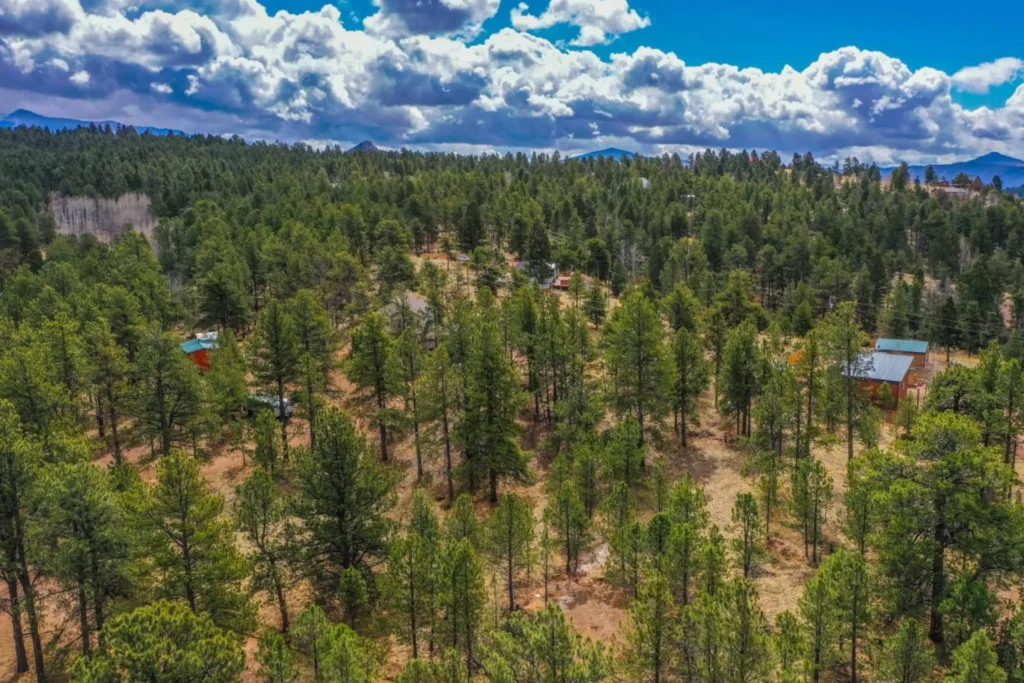
Building A Home In Colorado Climate
Due to these extremities, materials have to be carefully selected. The ones you go for should be able to withstand freezing winters and intense sun during summer.
When it comes to the insulation and roofing, they need to be in great condition. This is the only way that they are able to offer reliable protection against moisture and ice buildup.
Another thing to note is that sudden storms can affect construction timelines. They can also increase maintenance needs. To avoid such shortcomings, builders and designers need to plan properly. They should plan for both resilience and long-term sustainability. This is a very crucial thing to do in this unpredictable environment.
Steep and Uneven Terrain
As mentioned earlier, Colorado features steep and uneven terrain. Building here can be quite challenging. It hence requires a lot of planning and the use of specialized construction techniques.
Sloped sites usually require extensive grading and reinforced foundations. They also need the utilization of retaining walls to ensure stability.
These tough conditions mean that drainage has to be carefully managed. This is the only way to avoid water pooling or landslides.
Despite these obstacles, there needs to be the integration of creating design solutions. Some great examples here include multi-level layouts and terraced landscaping. Such features can make the most of dramatic views and natural features. This is all while turning a difficult site into a visually striking and functional property.
Energy Efficiency and Insulation
A good way to ensure energy efficiency is to have proper insulation. It helps maintain consistent indoor temperatures. This, in turn, reduces the strain on your heating and cooling units. The end result here is lower energy costs throughout the year.
It’s crucial that you implement high-quality materials in walls, roofs, and windows. Doing this prevents heat loss during harsh winters. It also minimizes overheating in the summer.
Additionally, you need to pay attention to air sealing and ventilation. This complements the insulation that you already have. You can therefore be sure that warm or cold air will stay where it belongs.
Access and Logistics
Remote sites usually mean limited roadways and narrow paths. They could also have steep inclines. The existence of these conditions can complicate the delivery of materials.
It’s hence essential that you plan for transportation prior to thinking about constructing here. It’s even good to note that heavy machinery or large shipments may need special permits or seasonal timing.
Builders must also account for unpredictable weather. This is another thing that can delay travel and increase costs especially in impassable locations.
For a smooth process, you need to do efficient staging of supplies and schedule properly. By doing this, you’ll have overcome the challenges of difficult-to-reach locations.
Environmental and Regulatory Considerations
Builders have to account for a wide array of environmental conditions. Some of these include the state’s diverse ecosystems and fragile soils. This is the only way to ensure that the project doesn’t have a huge ecological effect.
When it comes to rules and regulations, there are strict local codes that must be adhered to. These are important because they govern a lot of things. Some of these include energy efficiency and wildlife mitigation. There are also stormwater control and land use restrictions that must be followed.
Navigating these rules helps promote natural resources. It also ensures sustainable development.
Building a mountain home in Colorado presents unique challenges. However, with careful planning, these obstacles can be transformed into opportunities to create a resilient and visually appealing home. However, for the best possible results, you want to partner with the right experts. At Colorado Mountain Builders, we have the expertise to turn these challenges into a home that is safe, functional, and truly one-of-a-kind.