
Buying land in Colorado for a custom home is not like buying a house. There’s no inspection report handed to you at closing. No seller disclosure that covers everything. What you’re buying is potential, and potential has a lot of fine print.
This guide walks through what actually matters before you sign anything.
Start With What You Want to Build, Not Where
Most buyers do this backward. They fall in love with a piece of land and then try to fit their dream home onto it. That creates expensive problems later.
Start with the basics before you begin. Decide how large the home will be. Think about whether you need a garage. Consider if you want a guest suite or a workshop. Decide if a walkout basement is part of the plan. These choices help determine which lots will work for your build.
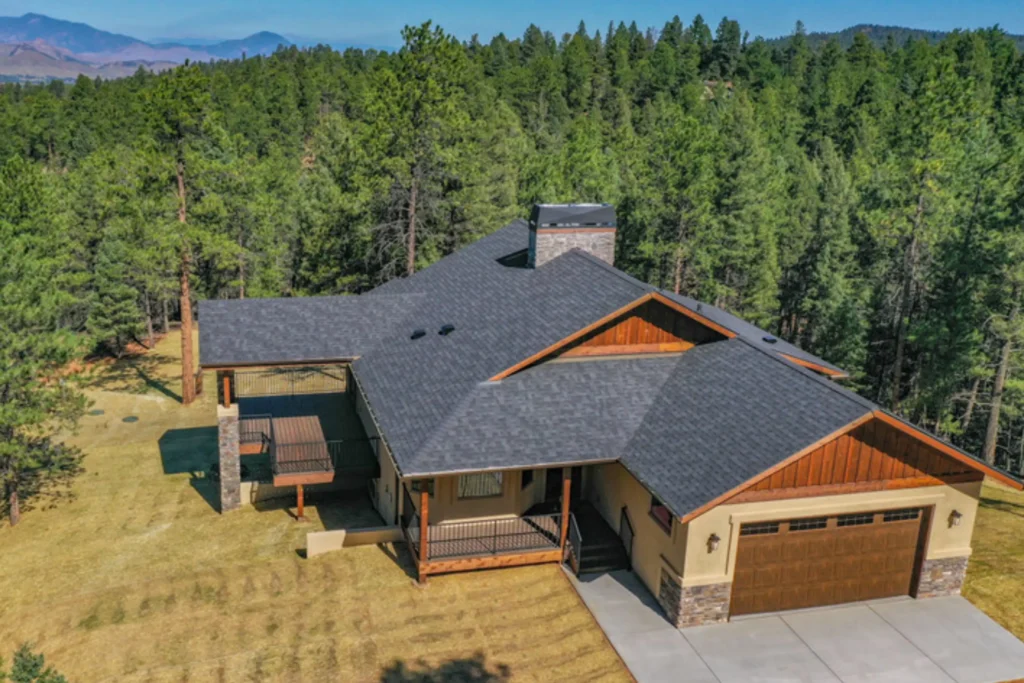
Choose The Right Lot For Your Home
A steep south-facing slope may look beautiful in winter photos. That same slope can create problems for a single-story home with a flat layout. It may need a redesign or excavation costs might go out of pocket.
Water Rights
Colorado runs on a water system that surprises almost every buyer who moves from another state. The rule is called prior appropriation. What this means is that water rights are separate from land ownership. You can own ten acres with a beautiful stream running through it and still have zero legal right to use that water.
Rights go by seniority. Senior holders, people or entities that claimed their rights first, get water before everyone else. In a dry year, junior rights holders can be completely cut off.
What does this mean when you’re buying a lot?
Check if the parcel includes deeded water rights. If you plan to drill a well, confirm that a well permit is available before closing. The Colorado Division of Water Resources controls well permits. In some rural areas such as Teller County, Park County, and Saguache County water allocations are already fully assigned.
Some buyers find out at the permit stage that no new residential well permits are being issued in their target area. That’s a deal-ending discovery to make after you’ve already paid for a survey.
Ask the question before you fall in love with the view.
Zoning, Setbacks, and HOA Rules
They control more than you’d expect. Zoning tells you what you can build and where. It sets minimum lot sizes and maximum building heights. It also tells how far your structure must sit from property lines. Those distances are called setbacks, and they vary by county.
In some mountain counties, there are also some wildfire rules. These rules may affect roof materials, landscaping around the home, and even fence types. Homes near wildfire risk areas, such as Coal Creek Canyon or the foothills west of Colorado Springs, may have these rules. This increases the total building cost.
HOAs are another factor in some mountain communities. Not every area has one, but those that do can set strict rules. An HOA may control paint colors, roofing materials, and the direction the home faces. Always read the HOA rules before you buy the land.
Soil and Site Conditions
Plain land looks simple from the surface. Below it is where the money lives. You see, Rocky Mountain terrain often hides shallow bedrock. When a foundation crew hits solid granite a few feet down, excavation goes from standard to specialized very quickly. That cost difference can run into the tens of thousands of dollars.
Soil testing is not optional. A geotechnical engineer drills into the ground and analyzes what’s there. They look at things like expansion potential and drainage. It’s their job to analyze load-bearing capacity. In Colorado, expansive clay soils are common on the Front Range. They shift with moisture changes and can crack foundations if the design doesn’t account for them.
If the property isn’t connected to a municipal sewer system, you’ll also need a percolation test. This test determines whether the soil can handle a septic system.
Utilities: The Hidden Budget
A seemingly affordable piece of land can easily double or triple in total cost just to prepare for construction if utilities aren’t already on site. Extending power lines in rural Colorado is a massive expense that scales rapidly depending on the distance. Similarly, water tap fees in certain metro districts can be astronomical. On top of these infrastructural hurdles, fiber internet remains completely unavailable in large sections of the mountains, which is a crucial consideration if you plan to work from home.
Before you get too attached to a listing, call the local utility providers. Ask specifically about connection availability and estimated hookup costs for that parcel’s address. This takes one phone call and can save you a serious miscalculation.
Financing Land Is Different From Financing a Home
Let’s talk about getting your hands on the money. Banks treat vacant land as a riskier asset than a finished home. You will need to put 20 to 50 percent down on a raw land loan. Interest rates on land loans also run higher than standard mortgage rates.
The better path for most custom home buyers is a construction-to-permanent loan. This product finances both the land purchase and the build in one structure. During construction, you pay interest only on the funds drawn. Once the build is complete, the loan converts to a standard mortgage at the rate locked in at the start.
What to Check Before You Make an Offer?
Here are some important questions to answer before making an offer on a lot.
- Does the property have deeded water rights or a confirmed well permit?
- What does the county zoning allow?
- Are utilities available at the lot line, or will they need to be extended?
- Has a soil test or geotechnical report been completed?
- Are there easements that limit where you can build?
- Is the property part of an HOA, and what rules do the covenants include?
- Is any portion of the lot located in a FEMA flood zone?
- Can heavy construction equipment access the site during all seasons?
Do not treat these as just part of the buying process. They will help you big time. You will learn if building a home on that specific piece of land is actually possible.
The Right Land Changes Everything
Choosing a plot is the first big step in building a custom home. It affects everything that comes next. Things like the view, soil, water access, and local rules all matter. If you choose the right land, the rest of the process becomes easier. If you choose the wrong land, you may face problems for years.
Take your time. Do the testing. Read the zoning documents. Walk the lot in the rain, not just on a sunny Saturday.
Ready to Build in Colorado? Talk to Colorado Mountain Builders First
Colorado Mountain Builders works with buyers across Colorado’s mountain communities to evaluate land, manage due diligence, and turn custom home visions into real structures on real ground. Before you make an offer on any parcel, get a professional read on whether it fits your project. Contact Colorado Mountain Builders today and bring a builder into the process from the start, not after a costly mistake already happened.
FAQ
How long does it take to build a custom home in Colorado after buying land?
It takes 12 to 18 months to build a custom home in Colorado after buying land and getting your permits approved. Getting permits can take 2 to 6 months, depending on the county. Rural counties may approve permits faster than big cities, but difficult land can still slow the project down.
What is a construction-to-permanent loan, and do I need one?
A construction-to-permanent loan is one loan that covers both building your home and your long-term mortgage. You pay interest only during construction, and then it turns into a regular mortgage once the home is finished. Many custom home buyers in Colorado use it because it keeps financing simple with just one closing. Whether you need one depends on how you plan to finance your build, but it is one of the most common options for new construction projects.