
Energy-efficient homes in Colorado consume less energy and provide a healthy living environment through improved indoor air quality. Energy efficiency matters because it reduces energy costs, decreases environmental impact, and lets Colorado homeowners enjoy State incentives and rebates.
The 6 features of an energy-efficient home that reduce utility bills are energy-efficient windows/doors, air sealing & ventilation, water efficiency, installation of energy-efficient appliances, and solar power integration.
Custom home builders help Colorado residents build energy-efficient homes by combining sustainable building materials with Energy Star appliances and smart home technologies. Homeowners achieve long-term savings by maintaining energy efficiency in the home design and build.
Why Energy Efficiency Matters in Colorado?
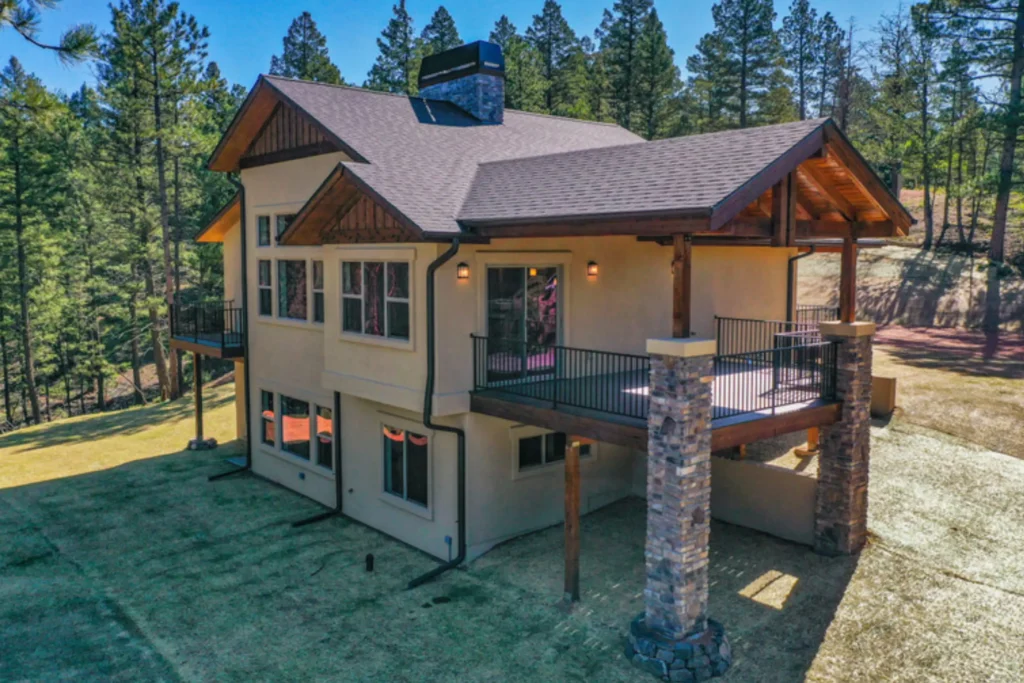
Energy Efficient Home In Colorado
Energy efficiency matters in Colorado because energy-efficient homes manage unique climate challenges, reduce high energy costs, decrease environmental impact, and provide state-level rebates/incentives.
Manage Unique Climate Challenges
An energy-efficient home manages unique climate challenges in Colorado. Homeowners experience a combination of cold winters, varied seasonal temperatures, and high altitude. Home requires consistent heating for an extended period in winter, and this high energy demand increases energy cost. The home heating system has to work even harder to maintain indoor comfort at a higher elevation. A large portion of heat will not go to waste when an efficient HVAC system is installed alongside airtight construction and proper window and door insulation. An energy-efficient home with smart home systems reduces monthly utility bills.
Reduce High Energy Cost
An inefficient home loses heat quality, causing the heating system to run longer and meet excessive heat demand. Heating systems running for long periods increase energy bills while accelerating equipment wear and tear. Energy-efficient homes are built to retain more heat due to the use of thermal mass and sustainable materials. High indoor heat retention eliminates the need for excessive HVAC work and leads to lower-to-zero, or even zero, energy bills. Financial savings are the biggest advantage of energy-efficient homes in Colorado.
Decrease environmental impact
Sustainability lovers decrease environmental impact by custom-building an energy-efficient home. An energy-efficient home reduces energy consumption and causes fewer emissions and a smaller carbon footprint while still getting a chance to live in modern, comfortable homes.
State-level Rebates and initiatives
Colorado supports energy efficiency through state-level initiatives and rebate programs. Homeowners qualify for an incentive when they upgrade their home systems, like insulating windows, integrating renewable energy solutions, and installing smart HVAC systems. Energy efficiency matters for homeowners because they get a rebate from the state program by investing in home efficiency upgrades.
What Features Lower Utility Bills of an energy-efficient home in Colorado?
The 5 features lowering utility bills of energy-efficient homes in Colorado are listed below.
- Energy-Efficient Windows and Doors in Colorado Homes
Energy-efficient windows and doors in Colorado homes reduce heating costs during harsh winters, especially when temperature fluctuations are unexpected. Poorly insulated windows cause heat to build up in homes. Triple-pane windows have three layers of glass and a gas fill to create a barrier that reduces heat trransfer, improving indoor comfort during winter. Low-emissivity (low-E) coatings on windows make them energy-efficient by reflecting heat while allowing natural light to pass through. Low-E coatings keep indoor heat during winter and block excessive solar heat during summer to reduce the workload on heating and cooling systems. Colorado homeowners investing in low-E energy-efficient window coating experience consistent energy savings throughout the year. Airtight sealing techniques are used to maximize the performance of windows and doors. High-quality weatherstripping with proper insulation around the frame reduces air leaks while enhancing energy efficiency and comfort.
- Air Sealing and Ventilation in Colorado Homes
Air sealing and ventilation in Colorado homes reduce utility bills while increasing indoor home comfort. Heat cost increases due to fluctuating temperatures and uncontrolled air leakage, leading to reduced energy performance. A well-sealed home ensures that conditioned air stays indoors and prevents outdoor air from disrupting the overall indoor environment. Custom home builders in Colorado understand the importance of air sealing for energy-efficient homes. They focus on air-tight construction of homes by minimizing gaps, cracks, and openings in the building envelope.
Airtight home construction stabilizes indoor temperature and decreases energy bills because hat heating and cooling systems do not have to work so hard.
Colorado home builders focus on balanced ventilation systems like Energy Recovery Ventilators (ERVs) and Heat Recovery Ventilators (HRVs). These systems exchange stale indoor air with fresh outdoor air and maintain proper airflow without sacrificing energy efficiency.
Improving indoor air quality is another major advantage of proper air sealing and ventilation. Indoor homes with balanced air sealing and ventilation reduce pollutants, allergens, and excess moisture, creating a healthy living environment in Colorado’s dry climate.
- Energy-Efficient Appliances and Lighting in Colorado Homes
Energy-efficient appliances and lighting in Colorado homes reduce electricity consumption and dial down utility bills. Homeowners must upgrade smart home appliances and lighting to experience immediate savings and long-term efficiency.
Lighting is extensively used in Colorado homes during shorter winter days. Switching from traditional incandescent bulbs to LED lighting helps Colorado homeowners save money on energy bills. Colorado families can save annually on utility bills by installing LED light bulbs. LED lights produce less heat compared to old bulb types, leading to reduced energy consumption.
Energy Star appliances (refrigerators, dishwashers, washing machines) use less energy and water, reducing environmental impact and providing consistent savings on monthly utility bills. An ENERGY STAR-certified smart thermostat can cut heating and cooling expenses by more than 8%.
A tankless water heater is a smart home appliance that heats water on demand and eliminate unnecassary energy consumption. A tankless water system has a high upfront cost, but they provide long-term energy savings. Colorado homeowners save annually by installing a high-efficiency heat pump.
- Sustainable Building Materials in Colorado Homes
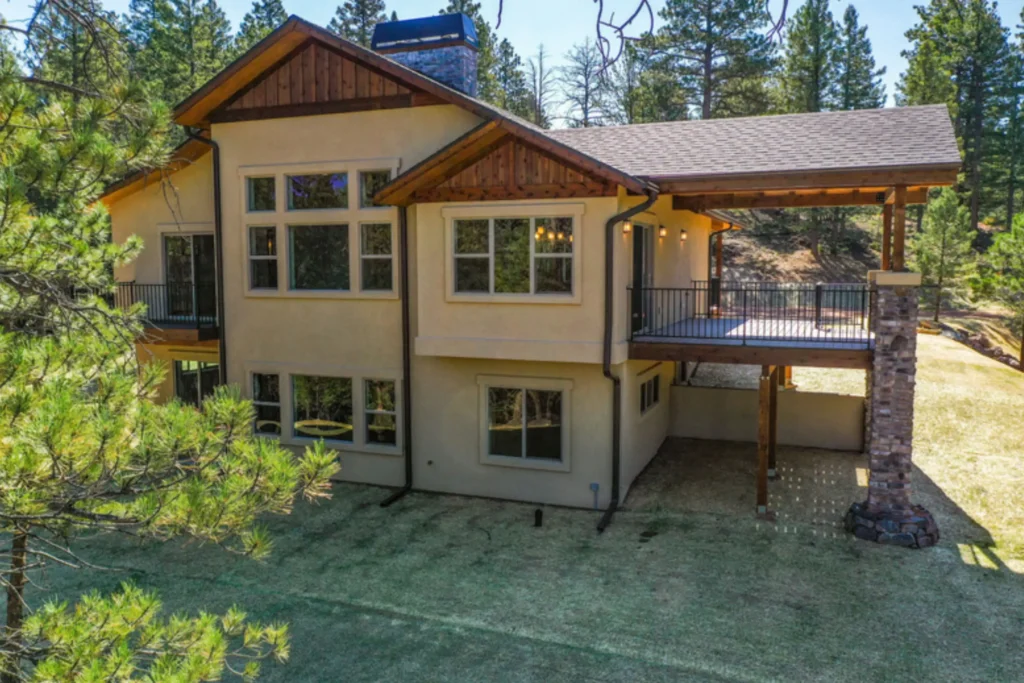
Does Your Home Lose Heat?
Sustainable building materials such as reclaimed wood, recycled steel, low Volatile Organic Compound products are the foundation of energy-efficient home building and construction in Colorado. Modern homes built with these sustainable materials improve indoor air quality, reduce environmental impact, and provide a healthy living space.
Colardo custom home builders use thermal pass for sustainable construction. They use materials like brick, stone, and concrete that absorb heat during the day and release it at night, thereby regulating indoor temperature naturally. Thermal mass in Colorado homes reduces reliance on HVAC systems and lowers overall energy consumption.
Custom home builders in colorado helps homeoeners build energy-efficient homes. They are familiar with local climate challenges, building costs, and the best material choice to reduce utility bills. They deliver an energy-efficient home by integrating sustainable materials with smart home systems and advanced insulation techniques.
- Water Efficiency Features in Colorado Homes
Water efficiency is a key to building energy-efficient homes in Colorado. Water conservation is important in the semi-arid conditions of Colorado, whose population is growing at an exponential rate. Homeowners should integrate smart water-saving features like smart irrigation systems, low-flow fixtures (toilet, showerheads, faucets), and rainwater harvesting to reduce overall utility bills.
Energy Star rated products for your bathroom and kitchen cut down water consumption and reduce the energy required for hot water usage. Smart irrigation for Colorado home lawns and landscapes helps homeowners maintain efficient outdoor water use. Smart irrigation systems use weather data, automated scheduling, and soil moisture sensors to adjust water on real-time conditions.
Homeowners conserve water during dry periods while eliminating overwatering. Upgrading to an energy-efficient water heater and insulated hot water pipes minimizes hot water waste, leading to low energy usage and long-term cost savings.
- Solar Power Integration in Colorado Homes
Solar panels reduce utility bills in Colorado because this state has abundant sunshine with favorable renewable energy policies. Colorado gets sunshine for over 300 days annually in many areas, and the integration of solar panels in Colorado homes provides the best return on investment. Solar panels generate consistent and reliable electricity across all seasons. Homeowners offset their dependence on traditional power sources by getting solar panels installed at home.
Solar power integration provides long-term savings and high energy independence. Net metering policies allow homeowners to send excess electricity generated by a solar system back to the grid in exchange for credit on their utility bills.
Homeowners bank energy during peak production periods and use credit when the solar system produces less power, leading to a cost-effective energy cycle. The ROI of solar panel installation comes in the form of low monthly bills, and the federal tax credit helps homeowners offset the cost of Colorado solar panels.
FAQs
Are solar panels worth it in Colorado?
Yes, Solar panels are worth it in Colorado as they offer high ROI through energy savings and incentives (tax credits, rebates).
How do I qualify for energy rebates in Colorado?
You can qualify for energy rebates in Colorado by installing energy-efficient systems such as solar panels, insulation, and HVAC upgrades.
What is the best insulation for Colorado homes?
The best insulation for Colorado homes includes spray foam and high R-value fiberglass, as they reduce energy loss and retain heat during the cold climate of Colorado.
How do I start making my home more energy efficient?
You can start making your home energy efficient by getting a professional energy audit and continue with system upgrades like sealing air leaks, insulating doors and windows, upgrading to smart home systems and appliances.