
The first step when looking to build your dream home entails buying vacant land. This process can be quite exciting. However, it also entails various challenges. This is especially true when looking to purchase land in Colorado.
It’s for this reason that you should consider having a proper plan in place. You need to think about the steep terrain and access roads. You also have to pay close attention to zoning rules and weather conditions.
By analyzing such factors, you should be able to make the right decision. This can end up saving you a lot of time and money. This article gives vacant land selection tips that you should consider prior to committing to a purchase.
Evaluate Access and Year-Round Road Conditions
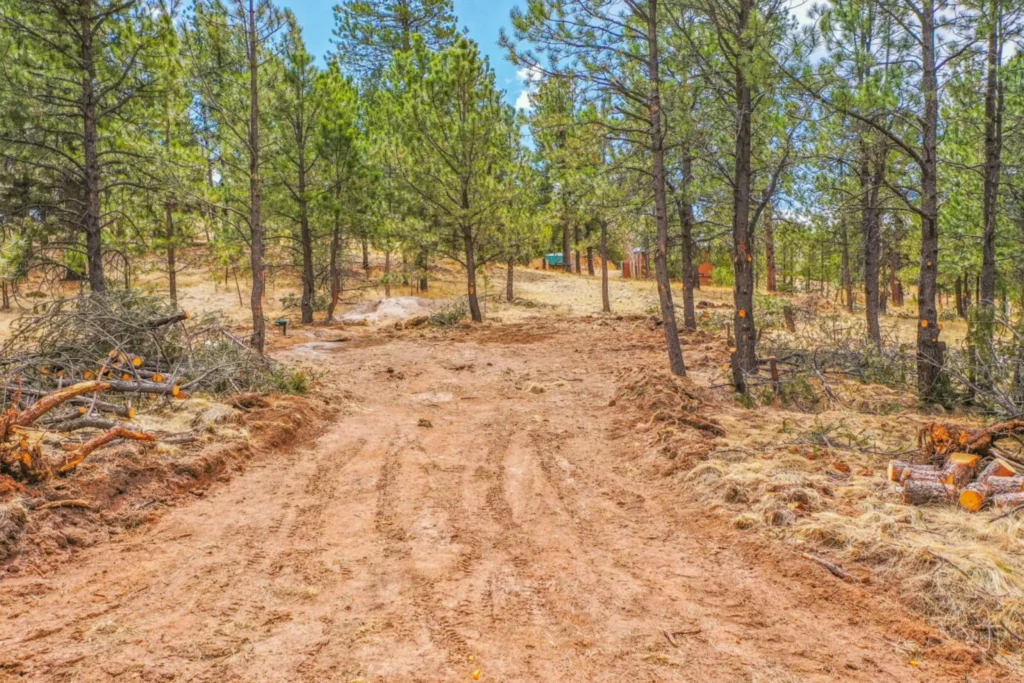
Vacant Land In Colorado
You may find that some parcels appear quite appealing during the warmer months of the year. However, this may not be the case when winter sets in. The same land can become unreachable due to snow accumulation and steep grades. Therefore, it’s crucial to assess access throughout all seasons prior to making the purchase.
Verify whether roads are county-maintained or privately owned. This is essential because it affects snow removal and ongoing upkeep. Some areas require property owners to handle plowing. This can end up adding unexpected costs and logistical challenges.
In addition to this, consider emergency access and delivery routes. You also need to think about how construction vehicles will reach the site year-round.
Understand Zoning, HOA, and Building Restrictions
Zoning laws determine how a parcel can be used. This usually includes limits on residential structures and minimum lot sizes. In many regions in the state, homeowner associations can also have a say on a couple of things. For instance, they may regulate architectural style and exterior materials. With this in mind, you need to review all applicable rules prior to moving forward.
Other regions may have further restrictions related to slope and wildlife mitigation. These factors can have a great influence on construction costs and feasibility. It’s hence crucial that you take the needed time to understand these regulations upfront. This can help you avoid unexpected limitations and approval delays.
Assess Topography and Buildability
The state of Colorado features a very diverse terrain. This ranges from gently rolling foothills to steep, rugged elevations. This kind of variation makes it important for you to evaluate slope and soil composition. You also need to think about drainage and natural grading. These are key factors to pay attention to before committing to the purchase.
It’s important because areas with extreme inclines may need extensive excavation. You could also have to install retaining walls. All these things can end up increasing the construction complexity and cost.
Reviewing buildability early on is very important. This is because it helps make sure that the site can accommodate the intended structure. It should be able to do this while minimizing surprises during the construction process.
Check Utility Availability and Alternative Options
You need to have a good idea of the utilities available on the property. If what you’re looking for is lacking, you should know about the available alternatives.
This is vital because there are some Colorado properties that may not have access to public water, electricity, or natural gas. This is a challenge that can end up affecting your overall development costs.
As a buyer, you need to review whether a well or septic system will be required. You should also review soil test results for suitability.
Power access should also be looked at. This includes evaluating the distance to the nearest connection point and the cost of service extension.
Consider Environmental Factors and Long-Term Value
You also need to evaluate elements like drainage, sun exposure, and prevailing winds. This is crucial because they can affect construction costs and living conditions over time.
In addition to this, assess risks like wildfire zones and avalanche paths. You should also check whether your land will be prone to floods.
Another thing is to look at how the location may appreciate in value. This is by factoring in nearby developments and infrastructure plans.
With a forward-looking approach, you can ensure your investment remains both secure and rewarding for many years to come.
Selecting the perfect vacant land in the Colorado mountains requires careful planning and research. You also need to pay attention to both the natural environment and local regulations. However, this process can be quite overwhelming. This is especially true if you lack the experience or don’t even know what to look for. It’s for this reason that you should consider partnering with an experienced and reputable team. At Colorado Mountain Builders, we can guide you to find land that aligns with your vision for a mountain retreat.